At Big Apple Medical Care, we understand that persistent leg swelling, aching pain, and chronic fatigue can disrupt your life—and often signal underlying vein disorders. Our goal is to offer you compassionate, expert-guided vein treatment, ensuring you regain comfort, prevent complications, and return to the activities you love.
Recognizing the Warning Signs of Vein Trouble
Vein conditions often emerge subtly, with symptoms that can be easy to dismiss. Key warning signs include:
-
Leg swelling, particularly in the lower legs or ankles, worsening by day’s end.
-
Aching or heaviness, especially after prolonged standing or sitting.
-
Visible varicose veins—twisted, raised, bluish veins that stand out beneath the skin.
-
Fatigue or restlessness in the legs, with or without visible vein changes.
-
Skin changes, such as redness, itching, tightness, or pigmentation near the ankles.
-
Ulcers or open sores around the ankle region that resist healing.
If these signs interfere with your quality of life, it’s time to consult a vein care specialist.
Understanding Vein Health: What’s Going On Beneath the Surface
Vein problems usually stem from venous insufficiency, where tiny one-way valves inside the veins fail to prevent blood from pooling backward. This leads to increased vein pressure and a range of symptoms.
Key risk factors include:
-
Genetic predisposition—family history of varicose veins and vein disorders.
-
Job-related strain—occupations requiring long hours of standing or sitting.
-
Lifestyle and health factors—obesity, lack of physical activity, pregnancy, smoking.
-
Age and hormonal influences, particularly in women, leading to valve weakening.
Over time, untreated vein dysfunction can result in venous stasis dermatitis, skin breakdown, and venous leg ulcers, therefore, vein treatment is needed.
When to Take Action: Time for a Vein Evaluation
Prioritize a medical assessment when:
-
Symptoms persist despite home remedies like leg elevation or compression wraps.
-
You notice progressive vein swelling or skin changes, especially in at-risk users.
-
Ulcers or persistent skin irritation develops around the ankles.
Don’t wait for your symptoms to worsen—early evaluation can help prevent complications and improve treatment outcomes.
Comprehensive Vein Evaluation at Big Apple Medical Care
We offer a thorough and patient-focused diagnostic approach:
-
Medical history & symptom assessment: Exploring leg discomfort triggers, timing, and patterns.
-
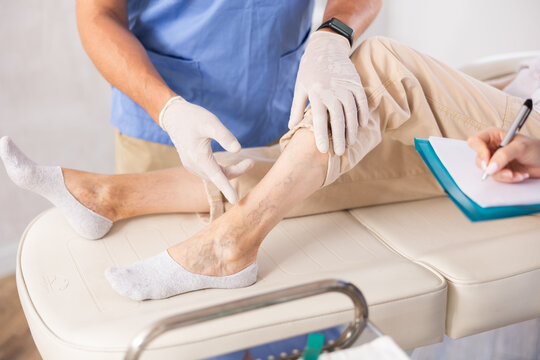
Physical exam: Checking for varicose veins, signs of skin changes, and calf tenderness.
-
Duplex ultrasound: A non-invasive imaging test evaluating blood flow, identifying reflux or blockages.
Our detailed evaluation pinpoints the root causes, whether superficial or deep vein issues, guiding a highly personalized care plan.
Treatment Options: Tailored, Effective, and Minimally Invasive
At Big Apple Medical Care, we emphasize evidence-based, minimally invasive treatments:
-
Compression therapy: Graduated stockings reduce swelling and support weakened veins.
-
Sclerotherapy: An injectable solution that collapses and fades small to moderate varicose veins.
-
Endovenous thermal ablation: Heat-based (laser or radiofrequency) therapy seals off inefficient veins.
-
Microphlebectomy: A minimally invasive procedure removing visible varicose veins through tiny incisions.
-
Venous ulcer care: A tailored protocol combining wound care, compression, and infection prevention when needed.
Each treatment plan is customized according to your condition severity, lifestyle, and long-term goals.
Recovery & Beyond: What You Can Expect
Treatment success depends on post-procedure care and realistic recovery planning:
-
Compression support is vital during initial healing.
-
Movement and mild activity—like frequent walking—encourage healthy blood flow.
-
Follow-up check-ins ensure optimal healing and assess if further intervention is needed.
-
Self-care routines, including leg elevation, weight management, and avoiding prolonged immobility, promote lasting relief and prevention.
A Proactive Approach: Preventing Vein Complications
Once treated, ongoing vein health is best maintained by:
-
Staying active—regular walking or low-impact exercises aid circulation.
-
Healthy body weight management to reduce vein stress.
-
Minimizing long static positioning—take break for movement if you sit or stand for extended periods.
-
Periodic vein health reviews, especially for those with a family history or past vein concerns.
Why Choose Big Apple Medical Care for Vein Health
-
Specialized expertise in vein disorders and vascular care.
-
State-of-the-art diagnostics, including duplex ultrasound.
-
Customized treatment strategies—tailored to your vascular condition and lifestyle.
-
Patient-centered care focused on comfort, recovery, and long-term results.
Final Thoughts
Swelling, leg pain, and fatigue are not just inconveniences—they often hint at vein-related health issues that deserve medical attention. Early diagnosis, personalized intervention, and vigilant follow-up can prevent serious complications and restore your comfort.
At Big Apple Medical Care, we’re dedicated to guiding you toward better vein health with expertise, compassion, and proven treatments.