
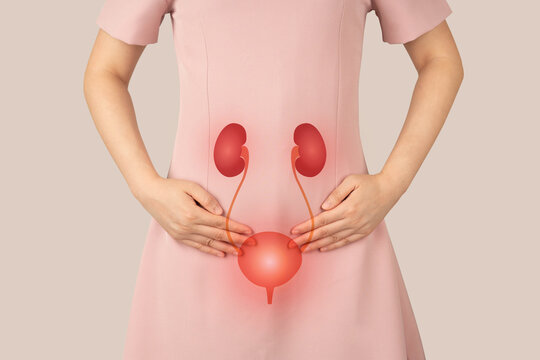
Menopause marks a natural stage in a woman’s life, but it often brings along physical changes that directly affect bladder health. Declining estrogen levels, weakened pelvic muscles, and age-related changes in the urinary system contribute to a higher risk of urinary incontinence and urinary tract infections (UTIs). At Big Apple Medical Care, we believe that empowering women with knowledge and management strategies is the first step toward improved quality of life.
In this comprehensive guide, we will explore how menopause impacts bladder function, why incontinence and UTIs become more common, and the best strategies for prevention and management.
Understanding the Connection Between Menopause and Bladder Health
During menopause, estrogen levels drop significantly. Estrogen is vital for maintaining the strength and elasticity of the bladder and urethra. When hormone production decreases:
-
The lining of the bladder and urethra becomes thinner.
-
The pelvic floor muscles lose tone and support.
-
Natural protection against bacteria decreases, leading to higher susceptibility to UTIs.
These changes make menopausal women more likely to experience bladder control problems, frequent urination, and infections.
Types of Urinary Incontinence in Menopausal Women
Urinary incontinence is not a single condition—it presents in different forms:
Stress Incontinence
Leakage occurs when pressure is placed on the bladder, such as during coughing, sneezing, laughing, or exercising. Weak pelvic muscles are usually the cause.
Urge Incontinence
Often called overactive bladder, this condition creates a sudden, intense urge to urinate, sometimes leading to leakage before reaching the restroom.
Mixed Incontinence
Some women experience a combination of both stress and urge incontinence, complicating management strategies.
Overflow Incontinence
Less common in menopause, but occurs when the bladder cannot fully empty, leading to frequent dribbling of urine.
Why UTIs Increase After Menopause
Urinary tract infections become more frequent after menopause due to several factors:
-
Lower estrogen reduces the number of protective lactobacilli in the vagina, allowing harmful bacteria to thrive.
-
The urethra shortens and weakens, making it easier for bacteria to travel into the bladder.
-
Decreased bladder elasticity can lead to incomplete emptying, providing an environment where bacteria multiply.
Symptoms of UTIs include burning sensation during urination, pelvic pain, increased urgency, and cloudy or strong-smelling urine.
Lifestyle Changes to Improve Bladder Health During Menopause
Simple lifestyle modifications can significantly reduce the frequency of urinary incontinence and UTIs:
-
Stay Hydrated: Drink enough water to flush bacteria but avoid excessive caffeine and alcohol, which irritate the bladder.
-
Maintain a Healthy Weight: Excess weight puts pressure on the pelvic floor, worsening leakage.
-
Avoid Constipation: A high-fiber diet supports bowel health and reduces strain on pelvic muscles.
-
Quit Smoking: Smoking can trigger coughing, increasing pressure on the bladder, and raises infection risk.
-
Practice Good Hygiene: Wipe front to back, wear breathable cotton underwear, and avoid harsh feminine products.
Pelvic Floor Exercises and Bladder Training
Kegel Exercises
Regular Kegel exercises strengthen the pelvic floor, supporting the bladder and urethra. Practicing these daily can reduce leakage within weeks.
Bladder Training
This involves gradually increasing the time between bathroom visits to retrain the bladder. With consistency, women can reduce urgency and regain control.
Medical Treatments for Menopause-Related Bladder Problems
If lifestyle adjustments are not enough, medical treatments can help manage incontinence and UTIs effectively:
Topical Estrogen Therapy
Applying estrogen creams, rings, or tablets locally to the vagina can restore tissue health, reduce dryness, and decrease infection risk.
Medications for Overactive Bladder
Anticholinergic or beta-3 adrenergic medications relax bladder muscles, reducing urgency and frequency.
Vaginal Probiotics
These restore healthy bacteria balance, reducing UTI recurrence.
Minimally Invasive Procedures
-
Urethral Bulking Injections: Add support to the urethra to control leakage.
-
Sling Surgery: Provides long-term support for severe stress incontinence.
Preventing Recurrent UTIs During Menopause
For women prone to repeated infections, prevention is key:
-
Urinate after intercourse to flush out bacteria.
-
Take cranberry supplements or D-mannose to prevent bacterial adhesion.
-
Use vaginal moisturizers to reduce dryness and irritation.
-
Work with a urologist or gynecologist for tailored prevention plans.
The Psychological Impact of Bladder Problems in Menopause
Beyond physical discomfort, bladder problems can affect emotional health. Many women report feelings of embarrassment, isolation, and reduced confidence. Left unmanaged, incontinence and recurrent UTIs can lead to withdrawal from social activities, exercise, and intimacy. Seeking timely treatment restores not just bladder health but overall well-being.
Holistic Approaches to Bladder Wellness
In addition to medical interventions, many women benefit from holistic therapies:
-
Yoga and Pilates to strengthen core and pelvic floor muscles.
-
Acupuncture for bladder function improvement in some women.
-
Mindfulness and relaxation techniques to reduce anxiety associated with urgency.
When to Seek Medical Help
Women should never ignore bladder symptoms during menopause. Seek professional care if you experience:
-
Frequent UTIs (two or more within six months).
-
Persistent leakage interfering with daily life.
-
Blood in urine.
-
Painful urination or pelvic pain.
Early evaluation allows for tailored treatment and prevents complications.
Conclusion: Taking Control of Bladder Health in Menopause
Menopause does not have to mean living with bladder discomfort. With a combination of healthy lifestyle choices, pelvic floor strengthening, medical therapies, and preventive strategies, women can regain confidence and comfort. At Big Apple Medical Care, we are dedicated to helping women navigate these changes with expert guidance and personalized care.