

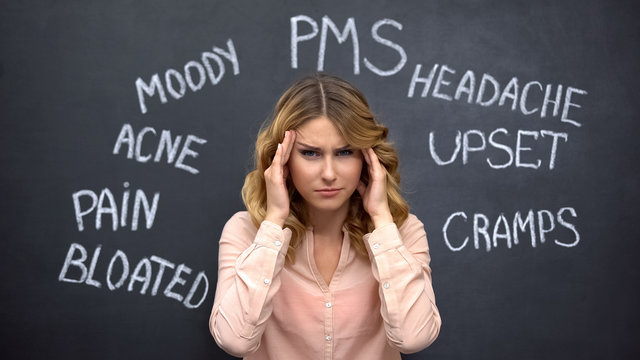
Stress has become an unavoidable part of modern life, and for women, its impact goes far beyond daily frustrations or occasional fatigue. Chronic stress can disrupt hormonal balance, affect emotional well-being, and even contribute to weight fluctuations. At Big Apple Medical Care, we recognize that understanding the deep connection between stress and a woman’s body is the first step toward reclaiming balance and long-term health.
In this article, we will explore the scientific mechanisms of stress on women’s hormones, its psychological toll, and its influence on weight management. By identifying these interconnections, women can make informed choices to protect their overall health and well-being.
Understanding the Stress Response in Women
When a woman experiences stress—whether from work, relationships, financial pressures, or caregiving responsibilities—the body activates the hypothalamic-pituitary-adrenal (HPA) axis. This system triggers the release of cortisol, also known as the “stress hormone.”
While short-term cortisol boosts alertness and energy, long-term or chronic stress keeps cortisol levels elevated. Persistent stress responses can cause hormonal imbalances, weaken immunity, and interfere with metabolic functions.
For women, the effects are often more pronounced because of the complex interaction between stress hormones, reproductive hormones, and mood-regulating neurotransmitters.
The Impact of Stress on Women’s Hormones
Cortisol and Reproductive Health
High cortisol levels interfere with the body’s natural production of estrogen and progesterone. These hormones regulate menstrual cycles, fertility, and even bone density. Women under chronic stress may experience:
-
Irregular or missed periods
-
Worsened premenstrual syndrome (PMS)
-
Reduced fertility
-
Increased risk of early menopause
Thyroid Hormones and Stress
The thyroid plays a critical role in energy regulation and metabolism. Stress can disrupt thyroid hormone production, leading to symptoms such as fatigue, hair loss, and weight gain. Women are particularly vulnerable since thyroid disorders are more common among them.
Insulin Resistance and Metabolism
Stress hormones affect insulin sensitivity, often causing blood sugar spikes and crashes. Over time, insulin resistance develops, increasing the risk of type 2 diabetes, weight gain, and metabolic syndrome.
Emotional Health: The Psychological Toll of Stress on Women
Women are more likely than men to report stress-related psychological symptoms. Stress affects not only mood but also cognitive function and relationships.
Anxiety and Depression
Chronic stress elevates cortisol and decreases serotonin and dopamine, two key neurotransmitters that stabilize mood. This imbalance makes women more prone to:
-
Anxiety disorders
-
Depression
-
Emotional fatigue
Sleep Disturbances
Stress often causes insomnia or restless sleep. Poor sleep worsens emotional regulation, leaving women more vulnerable to irritability, mood swings, and poor decision-making.
Cognitive Function and Memory
High stress levels impair the hippocampus, the brain region responsible for memory and learning. Women may notice difficulty concentrating, forgetfulness, or mental fog.
How Stress Affects Women’s Weight
Weight fluctuations are one of the most visible outcomes of stress in women. Stress influences eating patterns, metabolism, and fat distribution.
Emotional Eating and Cravings
Cortisol triggers cravings for high-calorie, sugary, and fatty foods. Combined with decreased serotonin, women often find themselves turning to comfort foods as a coping mechanism, leading to weight gain.
Slowed Metabolism
Prolonged stress alters thyroid hormones and insulin, slowing metabolism. Even with a healthy diet and exercise, women may notice difficulty losing weight or maintaining it.
Abdominal Fat Accumulation
Chronic cortisol elevation encourages fat storage, especially around the abdomen. This type of fat is linked to higher risks of cardiovascular disease, insulin resistance, and hormonal imbalances.
The Vicious Cycle: Stress, Hormones, and Weight
Stress creates a self-reinforcing cycle. For example:
-
Stress elevates cortisol.
-
Cortisol disrupts estrogen and progesterone.
-
Hormonal imbalance worsens PMS, menopause symptoms, and mood swings.
-
Mood changes trigger emotional eating and sleep disruption.
-
Poor diet and sleep lead to weight gain.
-
Extra weight further increases stress, creating a never-ending cycle.
Understanding this cycle is critical for breaking free and restoring balance.
Long-Term Health Risks for Women Under Chronic Stress
Unmanaged stress not only affects daily life but also increases the risk of long-term health conditions, including:
-
Polycystic ovary syndrome (PCOS)
-
Infertility
-
Cardiovascular disease
-
Type 2 diabetes
-
Osteoporosis due to lowered estrogen
-
Mental health disorders like depression and anxiety
Effective Strategies to Manage Stress and Restore Balance
Mind-Body Techniques
Practices such as yoga, meditation, and deep-breathing exercises lower cortisol and improve emotional resilience. Women who regularly engage in these practices often report improved mood and reduced PMS symptoms.
Nutrition for Stress and Hormones
Eating a balanced diet rich in whole foods helps regulate hormones and stabilize blood sugar. Important nutrients include:
-
Magnesium for relaxation
-
Omega-3 fatty acids for mood stability
-
Vitamin B complex for energy and stress reduction
-
Protein and fiber for blood sugar balance
Sleep Hygiene
Prioritizing 7–9 hours of restful sleep each night allows hormone regulation and emotional recovery. Creating a bedtime routine and reducing screen time before sleep are simple yet effective steps.
Regular Physical Activity
Exercise lowers cortisol, releases endorphins, and supports weight management. Activities like walking, swimming, and strength training are especially beneficial for women dealing with stress-related weight gain.
Professional Support
In cases of severe or prolonged stress, seeking help from healthcare providers is essential. Counseling, hormone testing, or medical interventions may be needed to restore balance and prevent long-term complications.
Taking Control of Stress for a Healthier Future
Stress is not just a mental burden; it is a biological disruptor that affects hormones, emotional health, and weight. Women face unique challenges due to the intricate relationship between reproductive hormones and stress hormones. By recognizing the signs of stress and addressing them early, it is possible to protect both short-term wellness and long-term health outcomes.
At Big Apple Medical Care, we are committed to guiding women through personalized strategies to balance hormones, support emotional well-being, and achieve sustainable weight health. No woman has to face the impact of stress alone—with the right tools and support, resilience and balance are possible.